
More than 90 million enrollments in Medicaid and CHIP were reported in September 2022. The number of beneficiaries covered by the program increased by 40% back in 2018, covering about 73 million people, up from 55 million when the Affordable Care Act was passed — growth that has drawn more health insurers, healthcare vendors, and investors into the program.
Crossing the Data Chasm
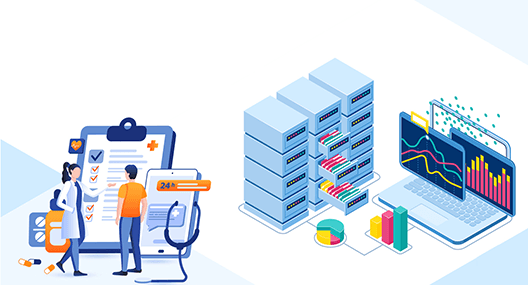
Medicaid programs must align with each state's standards of eligibility and how they address the health needs of their population. Many states have outsourced care coordination to private managed care entities, which are often reluctant to share data — limiting the availability of timely clinical, financial, and administrative data for overseers. Modernization plans must focus on improving access to and analysis of this data to provide valuable insight into program performance and population health needs.
Standardized, Automated, and Modernized Process
Standardizing, automating, and modernizing processes enables easy management and retention of critical enrollment information across multiple business lines. Modern, scalable, automated, end-to-end enrollment management solutions consolidate enrollment data across partners, drive automation for greater visibility, and relieve IT teams from sorting through siloed sources of member data.
Modularity Is Essential for Operational Transformation
Most Medicaid programs rely on dated, legacy monolithic MMIS systems, with the Enterprise Data Warehouse, Independent Verification & Validation, Pharmacy, and Integrated Eligibility all sitting in separate modules. Modular systems are more extensible, offer greater interoperability, and can connect key stakeholders, streamline processes, and provide more secure information access — driving operational transformation.
Configuration or Customization: Making the Right Choice
Modernizing strategic business processes might warrant more customized systems — combating fraud or improving delivery and payment capabilities, for example. But customizations can be limiting and expensive. A well-built, configurable system on a modular, cloud-hosted platform makes new feature adoption, scaling the user base, and managing load easier and less expensive.
Process Automation and Information Sharing
Medicaid modernization is about enabling members, workers, providers, managed care organizations, and other business partners to capture, share, and use information effectively, efficiently, and securely. Intelligent process automation becomes essential to quickly and accurately process large volumes of documents, and reduces manual effort while improving accuracy, timeliness, and fraud prevention.
Mobile Enablement
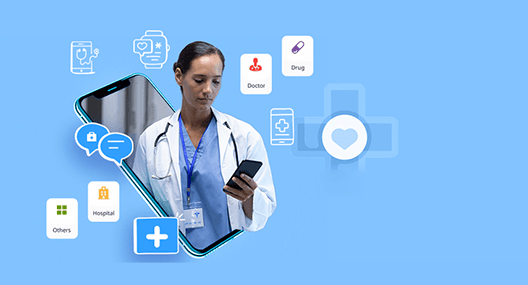
Studies have found that 86% of the general adult population and Medicaid beneficiaries use smartphones, and mobile technology is already helping people manage their health — from tracking fitness to monitoring blood sugar to receiving medication reminders. Mobile enablement and mHealth applications can play an integral role in driving greater access and improving care, even for low-income, rural, and underserved populations.
Kyyba works with Medicaid customers to simplify enrollment and eligibility verification, apply AI-driven process automation to improve productivity, and strengthen data management and information-sharing practices — with an adaptable, customizable approach built for a seamless transition to modernized platforms.